The Drug That Changed the World (And How to Properly Use It)
The modern world wasn’t built on motivation, it was built on caffeine. Here’s what it actually does, why it works, and how to use it without paying the cost.
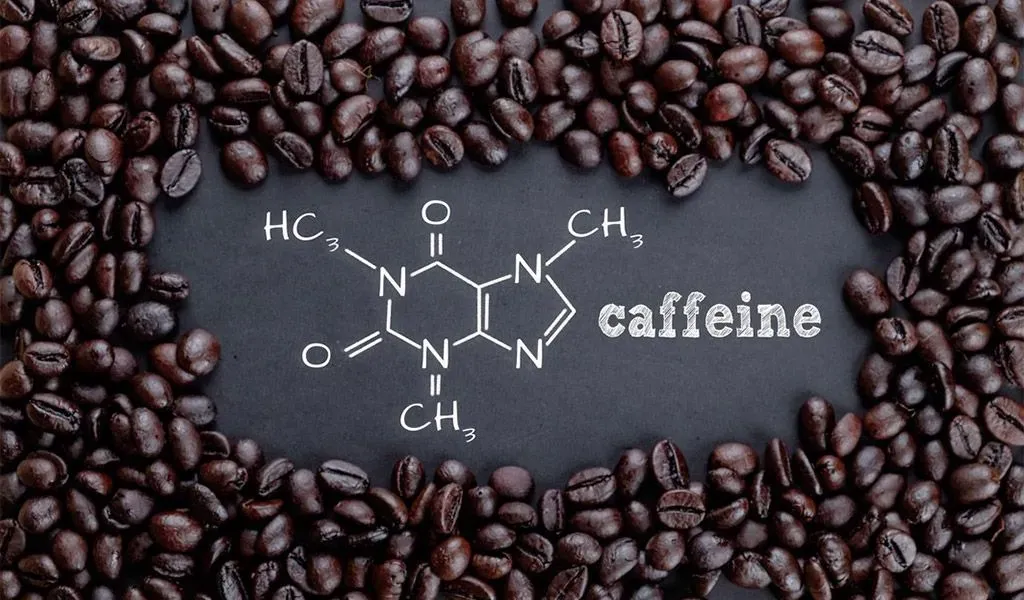
The modern world wasn't built on motivation and willpower.
It was built on caffeine.
Caffeine didn't just give humans more energy, it gave them more usable time.
Before caffeine became a daily ritual, human schedules were based on daylight, seasonality, and human fatigue. Work schedules followed the sun, attention naturally fell off as time passed, and sustained mental output was limited by biology rather than ambition.
However, as industrialization accelerated throughout the industrial revolution, (early 1900s,) this became a problem.
Factories required workers to have consistent alertness over long, repetitive shifts. The more output a single worker could produce, the more money could be made. Caffeine was the perfect solution. It didn't create energy, but it allowed the workers to stay engaged, attentive, and functional for longer periods of time.
Over time, this led to the creation (and normalization) of longer workdays, night shifts, and the idea that stimulation needed to be deliberately inserted into their workdays. Managers found that giving workers time off work and providing them with stimulation, actually led to a higher total daily output than just keeping them working their whole shift without any sort of breaks.
This is where the creation of coffeehouses, factory schedules, and the modern "coffee break" emerged.
All of this didn't happen because humans suddenly became more motivated and willing to work, it happened because they found a way to temporarily override fatigue.
So what does caffeine actually do? Contrary to popular belief, caffeine doesn't actually provide you with any energy. To put it simply, it blocks the signal in your brain that tells you you're tired.
To do so, it blocks certain receptors in your brain called adenosine receptors. Adenosine is a chemical signal that builds up in the brain the longer you’re awake, increasing sleep pressure and promoting feelings of tiredness. Caffeine is an adenosine antagonist. It binds to adenosine receptors without activating them, preventing adenosine from delivering its “you’re tired” signal.
You might be thinking, "Then why does caffeine feel like energy when I consume it?"
This is because when you block adenosine, you increase:
- Dopamine signaling
- Norepinephrine activity
- Alertness and motivation
Caffeine doesn’t increase cellular energy production. It reduces perceived effort and fatigue, making tasks feel easier.
Another great benefit to caffeine is that it improves physical and cognitive performance. It does this through reducing your perceived exertion, increasing your motivation to push, and improving your focus and reaction time.
All these things apply to endurance AND strength training exercise, as well as cognitive performance.
So once you understand that caffeine works by changing how fatigue is perceived, it becomes much easier to use it intelligently instead of relying on it blindly.
So enough technical mumbo-jumbo, let's get into how to use caffeine to improve your life.
Let's start with dosing. I'll give you my caffeine protocol, and help you decide what's right for you.
I have been using caffeine almost daily for 8 years now. Naturally, I have a higher tolerance than most people so I will be using more than most people. If you are just starting out you won't need this much.
My current routine consists of a cup of coffee when I wake up, typically topping it off while I go into any deep work sessions that I do. This usually turns out to be around 120-150 mg of caffeine.
The next (and usually last) time I take it is before any sort of exercise. Depending on the severity of my exercise that day, I'll take anywhere between 100-200mg 30 minutes before exercising through pre-workout formulas, or just more coffee.
So on average I'll use anywhere from 200 mg-350 mg of caffeine on a normal day. This is on the higher side, and not needed if you are just starting out.
However, there are exceptions. If I have any big events going on after my workout, which can be anything from work to going out to a bar, I'll usually take some more. I try not to overdo, but depending on how tired I am I'll use between 100-200 mg again before these situations, usually in the form of an energy drink. I wouldn't recommend this if you aren't a stim head like me.
For most people, caffeine works best when it’s intentional, not constant.
You don’t need high doses to get most of the benefits. In fact, many people perform better on less caffeine once timing and context are right.
For most adults, 100-150 mg is enough to noticeably improve alertness and performance.
Scientific data states that the widely accepted performance ranges are 2-3 mg/kg as the lower, effective dose for fewer side effects. And 3-6 mg/kg for the reliable range for increase alertness and performance. So for a 170 lb (77kg) person, this would look like 150mg at a lower dosage, and 230mg at the reliable range.
It's important to know that the FDA considers 400 mg a day as the reasonable upper bound for most adults. And the FDA is genuinely cautious when it comes to matters like these, so if you are a healthy individual 200-300 mg a day most likely won't come with any downsides to health.
I recommend starting with the lowest effective dose of around 100-150 mg a day to get a baseline, and see performance increases. Make sure you are using caffeine when it is most useful as well, such as before training, cognitively demanding work, and short, high-output windows.
You also don't need the same dose for deep work as you would for training. Start smaller (50-100 mg) for deep work sessions and see how you feel.
Lastly, be conservative with caffeine later in the day. Caffeine can disrupt sleep even 6 hours before bedtime. If sleep quality drops, performance and recovery drop with it, and it's just going to take more caffeine for you to be able to get to baseline.
And real quick, it's important to note that the more you use caffeine, the more your nervous system adapts to it. This is called building a tolerance. This can show up as:
- Needing more caffeine to feel the same effect
- Headaches, irritability, or low mood when you skip it
- More stimulation with less actual performance benefit
This doesn’t mean caffeine “stops working.” It means the margin of benefit becomes smaller, and the likelihood of overuse grows.
The bigger issue isn’t tolerance itself. It’s overuse at the wrong times.
High doses late in the day can disrupt sleep, elevate baseline stress, and quietly hurt recovery. At that point, caffeine isn’t enhancing your performance, it’s helping you function while digging a deeper hole.
And a quick note, during pregnancy it is recommended to limit to 200 mg a day to prevent any side effects that can come with high caffeine usage.
Used intentionally, caffeine is a powerful tool.
I personally love it and use it almost daily, but only because I respect what it actually does, and when it starts working against me.
Caffeine doesn’t create energy. It changes fatigue. Used at the right time, it amplifies performance. Used carelessly, it just delays the cost.
Treat it accordingly.